

Traders Who Journal Every Trade Still Make the Same Mistake the Following Week
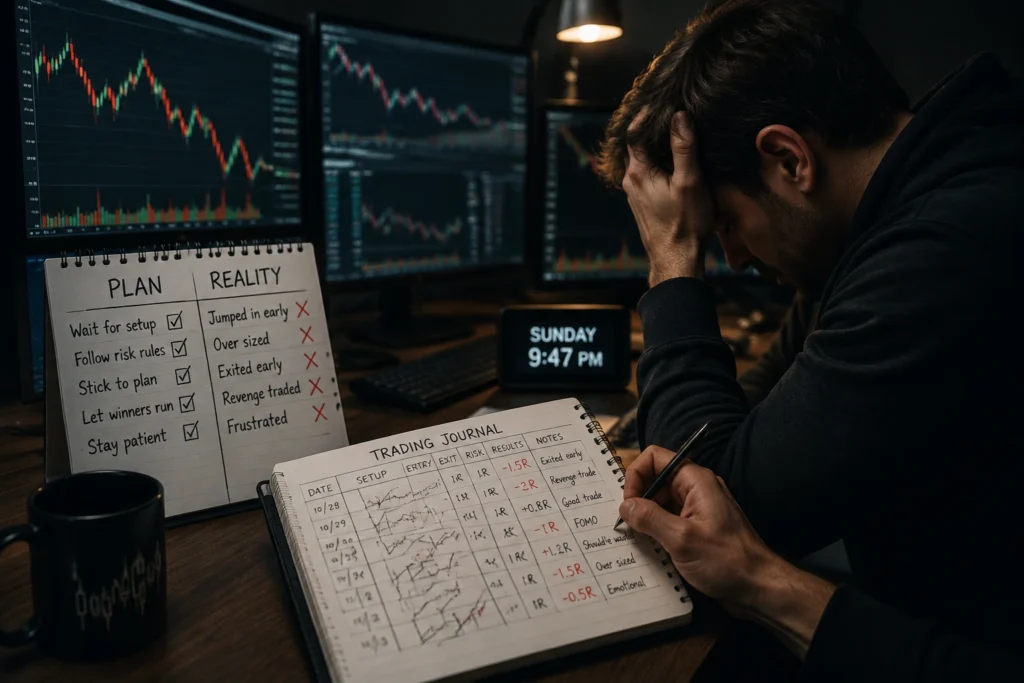
There is a specific kind of frustration that experienced traders know well. You have been journaling for months. The data is there in front of you. You can see the pattern clearly: you exit winners early every Tuesday morning, you revenge trade after back-to-back losses, your position sizing drifts upward during winning streaks. You wrote […]
The Three Seconds Before a Revenge Trade Explain Almost Everything

Most traders treat revenge trading as evidence that something is wrong with them. After a stop-out, they go back in too fast, size up, and watch a manageable loss become a session-defining one. The next day they vow to be more disciplined, and the cycle repeats. What that framing misses is that the impulse to […]
Why Self-Aware Traders Have the Real Edge

Ask any trader if they know their own patterns, and almost everyone says yes. Ask a psychologist who’s actually studied this, and the number drops fast. Organizational psychologist Tasha Eurich tested this rigorously across thousands of professionals and found that 95 percent believe they’re self-aware. Only 10 to 15 percent actually meet the bar when […]
Why Tying Your Self-Worth to P&L Backfires

Tying self-worth to trading results is a documented psychological pattern called contingent self-worth, where identity and self-esteem rise and fall directly with performance in one domain. Researchers who study this specifically in financial contexts have found it predicts more anxiety, more financial stress, and worse decision-making under pressure, not better. This isn’t a motivational issue. […]
Stress Management for Leaders and What Chronic Stress Actually Does to Judgment

Chronic stress in leadership roles produces measurable structural changes in the brain, physically reducing the density of neural connections in the prefrontal cortex while strengthening pathways in the amygdala, which shifts decision-making from deliberate judgment toward reactive threat response. This isn’t a metaphor for feeling overwhelmed. It’s a documented physiological process, and understanding the mechanism […]
Sleep for Traders and Why Rest Affects Your Edge

Sleep loss doesn’t just make traders tired. It specifically impairs the brain’s ability to learn from losing decisions, which means a sleep-deprived trader can repeat the same costly mistake within the same session without the usual internal alarm going off. This is a different mechanism than fatigue or slower reaction time, and it’s the piece […]
Regret in Trading, What Neuroscience and Psychoanalysis Say About It

Regret in trading is a distinct neurological response triggered when the brain compares what actually happened to a specific alternative outcome that could have happened instead, a process neuroscientists call counterfactual thinking. It’s centered in a specific brain region, and understanding the mechanism changes how a trader can actually work with it instead of being […]
Why You Keep Making the Same Trading Mistakes and How to Break the Cycle
Most traders can describe their worst habits in precise detail. They know they hold losers too long, they know they re-enter too fast after a stop-out, they know their sizing drifts up after a winning streak. They have written it down in their journal, they have committed to stopping it, and then they have watched […]
Why Rushing the Trade Is Costing You the Win
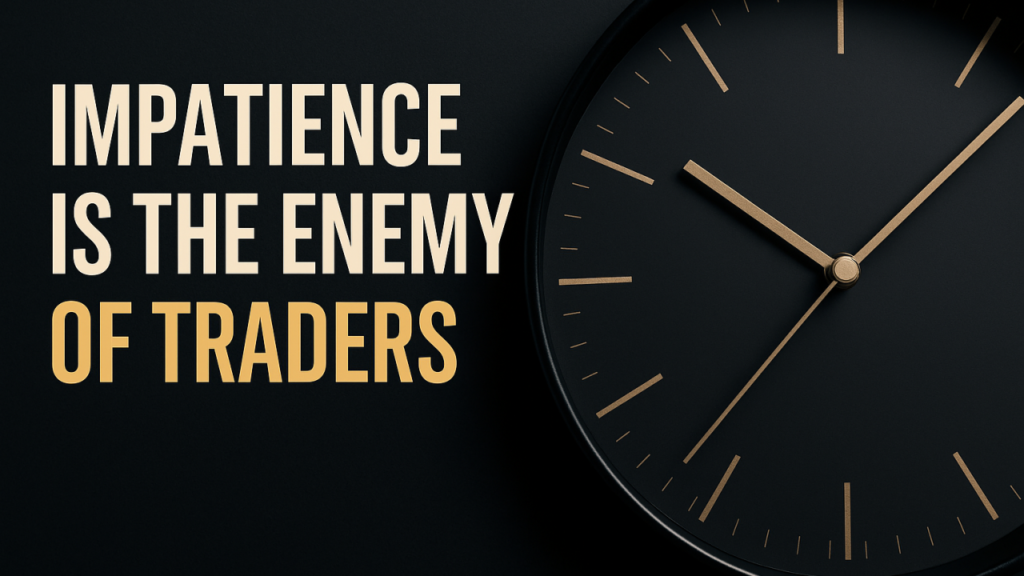
Most traders who enter too early are not short on discipline. They have a plan, they understand the setup criteria, and they know what confirmation looks like. What overrides all of that is a dopamine-driven anticipation response that builds in real time as the setup develops, creating a felt urgency that is physically difficult to […]
Stuck in the Victimhood of Regret? Here’s how to get out

Regret is one of those emotions that sneaks up on you. It doesn’t shout like anger or overwhelm like grief. It whispers. It lingers. It shows up in quiet moments when you’re replaying a conversation, a choice, or a missed opportunity. At first, regret feels like a natural response to mistakes. But when it hardens […]