

How Do CEOs Handle Burnout and Depression? An Executive Recovery Guide

Handling burnout and depression as a CEO requires more than generic self-care. It demands a systematic approach built for your specific pressures: isolation, decision load, and the weight of responsibility. This guide provides that system. The Hidden Crisis in the Corner Office You lead a company. You make decisions that affect hundreds or thousands of […]
What Are Behavioral Finance Biases? A Complete Guide for Investors and Traders
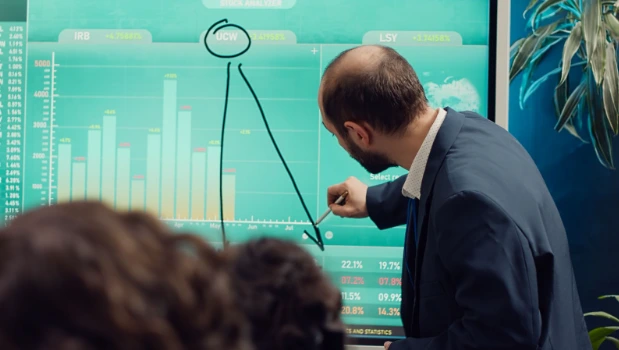
“You have a PhD in your field. You’ve read the financial statements. You’ve back-tested your strategy. Yet you still buy high, sell low, and hold losers too long. The problem isn’t your intelligence. It’s your biology.” Behavioral finance biases are systematic psychological errors that cause investors and traders to make irrational financial decisions, even when […]
What Is a Mental Block? And Why It’s the #1 Hidden Tax on Your P&L

The Line Item That Isn’t There You’ve reviewed your P&L. Revenue is up, margins are healthy, and overhead is controlled, yet the bottom line isn’t where it should be. The leak isn’t in your accounting software. It’s in your mind. A mental block is a cognitive, emotional, or psychological barrier, such as fear, perfectionism, or […]
What is Mental Fatigue in Psychology? A Clinical Definition and Performance Guide
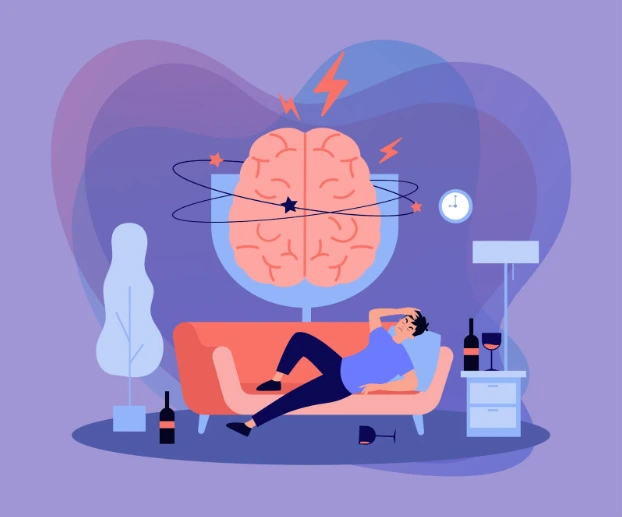
Mental fatigue is a psychobiological state caused by prolonged periods of demanding cognitive activity, characterized by a subjective sense of tiredness and a measurable decline in goal-directed attention and executive function. Mental fatigue is not ordinary tiredness; it does not resolve with passive rest alone. For traders, executives, and athletes, mental fatigue is a direct […]
The Trader’s Protocol: How to Diagnose and Overcome Trading Psychology Challenges

Introduction: When Your Edge Meets Your Emotions The gap between a strategy that performs in backtesting and an account that bleeds in live markets is rarely a technical problem. It is a behavioral one. Emotional interference is a quantifiable risk variable. It follows identifiable patterns, responds to systematic intervention, and can be managed with the […]
How Dehydration Affects Physical and Mental Performance: Evidence-Based Thresholds and Mechanisms

Dehydration at just 1-2% body mass loss impairs cognitive function, mood regulation, and aerobic endurance before you feel thirsty. You’ll learn the exact thresholds that trigger performance decline, the physiological mechanisms behind impairment, and evidence-based hydration protocols that optimize performance while avoiding overhydration. What Is Hypohydration? The 1-2% Performance Threshold Hypohydration is the state of […]
Does Creatine Boost Mental Performance? What Research Shows for Focus, Memory, and Fatigue-Resistance
Creatine can improve some aspects of mental performance when the brain is under high energy demand, most clearly during sleep deprivation, while effects in well-rested healthy adults are less consistent. A practical way to use it is to run a short, measured trial (2–4 weeks) and judge it by repeatable performance outputs, not “feeling sharper.” […]
Does Coffee Improve Mental Performance? What Caffeine Actually Improves (and When It Backfires)

Yes, coffee can improve mental performance in the short term, mainly because caffeine reduces sleepiness and improves alertness, attention, and reaction time. The keyword is short-term. Coffee is strongest for “lower” cognitive outputs (voodoo-free metrics like vigilance and simple reaction time) and less reliable for higher-order cognition like judgment, complex planning, or long-term memory. Two […]
Mental Rehearsal (Mental Imagery) for Performance: What It Improves, Why It Works, and How to Practice It
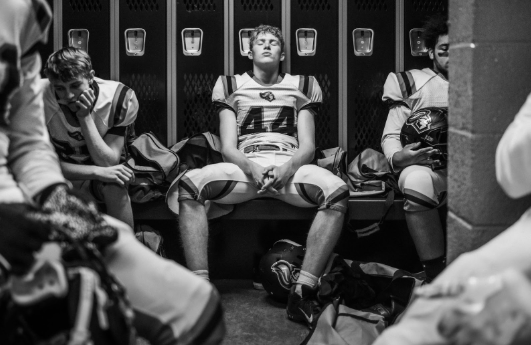
Mental rehearsal is mental imagery used for performance training, a structured way to practice execution and pressure responses in your mind before you physically do them. Mental rehearsal is also called mental practice, sport imagery, visualization, or motor imagery practice. A rehearsal becomes useful when it matches real timing, emotion, and cues, because that turns […]
How Mental Toughness Affects Sports Performance (4Cs Model + Mechanisms + Training)

Mental toughness affects sports performance by improving attentional control, reducing distraction, regulating competitive anxiety, and speeding recovery after mistakes. In applied sport settings, mental toughness is commonly explained through the 4 Cs: control, commitment, challenge, and confidence, because each “C” maps to visible competition behaviors and trainable routines. A reliable starting point is the 4Cs […]