

Why Tying Your Self-Worth to P&L Backfires

Tying self-worth to trading results is a documented psychological pattern called contingent self-worth, where identity and self-esteem rise and fall directly with performance in one domain. Researchers who study this specifically in financial contexts have found it predicts more anxiety, more financial stress, and worse decision-making under pressure, not better. This isn’t a motivational issue. […]
Regret in Trading, What Neuroscience and Psychoanalysis Say About It

Regret in trading is a distinct neurological response triggered when the brain compares what actually happened to a specific alternative outcome that could have happened instead, a process neuroscientists call counterfactual thinking. It’s centered in a specific brain region, and understanding the mechanism changes how a trader can actually work with it instead of being […]
You Are Not Losing to the Market. You Are Losing to Yourself.
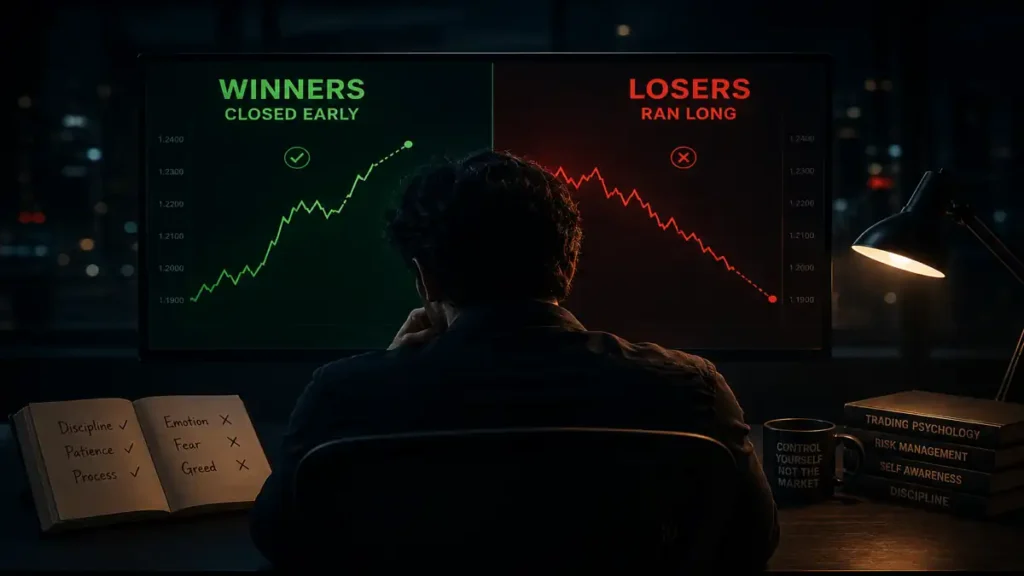
I want you to look at your last 30 trades with fresh eyes. On the trades that went your way, how long did you hold them? On the trades that went against you, how long did you hold those? Most traders already know the answer before they check. They just have not been willing to […]
CEO Imposter Syndrome Guide: How to Turn Self-Doubt Into Clearer Decisions and Stronger Leadership

CEO imposter syndrome affects capable leaders who are already delivering results, yet still feel one mistake away from being exposed. Korn Ferry reports that 71% of U.S. CEOs experience symptoms of imposter syndrome, while 85% still say they are competent in the role. Leadership pressure grows faster than inner certainty. Board meetings, investor updates, hiring […]
What Are Emotional Barriers? Decoding the Unconscious Signals That Drive Bad Trades

Emotional barriers are internal protective patterns built around fear, distrust, shame, past experiences, or the need for control. In trading, they often appear not as obvious emotions but as hesitation, revenge trading, ignored stop-losses, overanalysis, or refusal to exit a losing position. These reactions can influence execution before a trader consciously recognizes what is happening. […]
What Is a Mental Block? And Why It’s the #1 Hidden Tax on Your P&L

The Line Item That Isn’t There You’ve reviewed your P&L. Revenue is up, margins are healthy, and overhead is controlled, yet the bottom line isn’t where it should be. The leak isn’t in your accounting software. It’s in your mind. A mental block is a cognitive, emotional, or psychological barrier, such as fear, perfectionism, or […]
The Trader’s Protocol: How to Diagnose and Overcome Trading Psychology Challenges

To overcome trading psychology challenges, start by identifying the specific behavior that breaks under pressure, such as impulsive entry, holding losses past the plan, reactive re-entry, or hesitation on valid setups. These patterns persist because awareness alone does not change behavior during live risk. Traders improve execution by tracking emotional triggers, reviewing repeated mistakes across […]
Emotional Flexibility Is the New Edge in This Market

In today’s volatile market environment, traders face a pressure cooker of rapid changes and uncertainty. All the data and strategies in the world can falter if a trader falls prey to emotional extremes. I’ve seen it firsthand on Wall Street: one unexpected headline or a sudden price spike can send even experienced traders into panic […]
How to Stop Overtrading When Every Part of You Wants to Keep Going
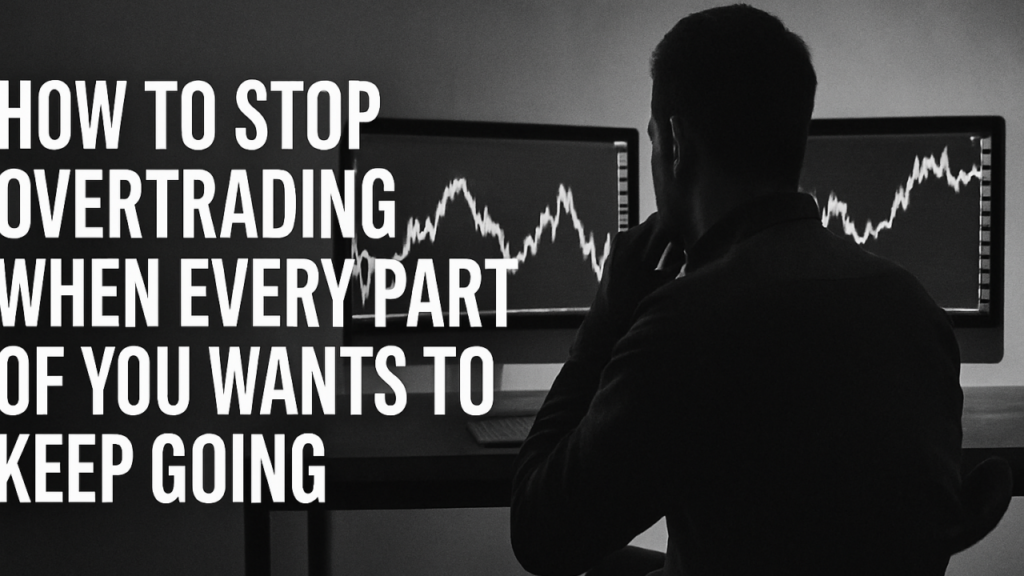
Overtrading rarely begins with a conscious decision to abandon the plan. It usually starts with one more trade after a loss, a missed move, or even a strong win. The trader still knows the rules, but frustration, excitement, boredom, or fear of missing out makes stopping feel harder than continuing. To stop overtrading, the decision […]
Here’s how high performers train their minds to reset, reframe, and stay effective under pressure
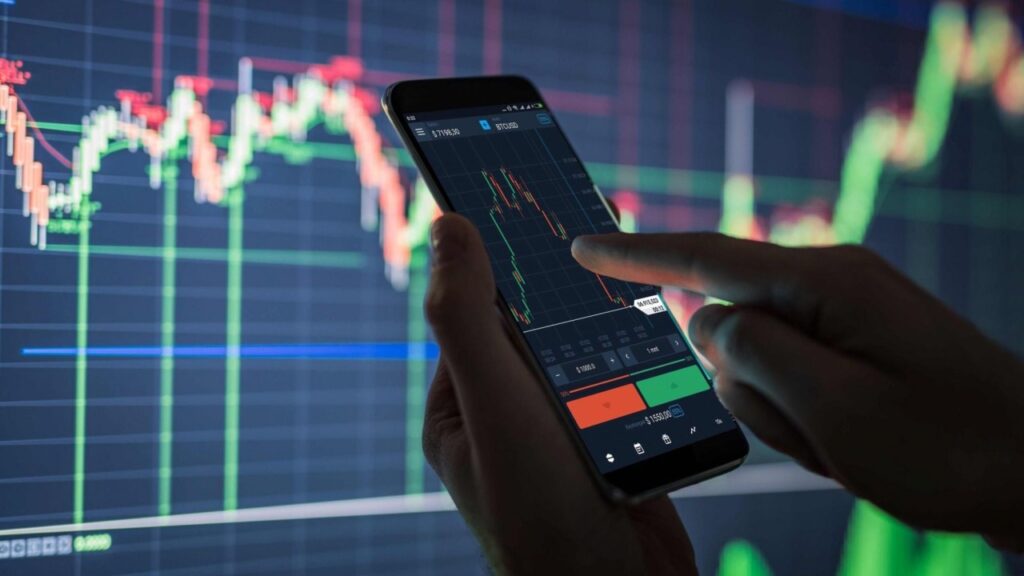
Last week, I laid the foundation for understanding emotional flexibility in trading. I explained how our nervous system is built to protect, not perform. I shared why emotional reactivity like fear, impulsivity, and overconfidence can hijack even the most technically sound traders. This week, I want to move from insight to implementation. Because awareness alone […]