

Why Taking a Break Works Better Than Pushing Through
Pushing through a resistance point rarely gets treated as its own decision. It gets treated as the only option, because stopping feels like proof that something is wrong with you rather than a signal worth listening to. That framing is the interference. The actual decision sitting underneath “push through or step away” is whether you’re […]
The Trader Burnout That Looks Like Apathy, Not Exhaustion

Christina Maslach’s research on burnout identifies three separate dimensions, exhaustion, cynicism, and reduced sense of accomplishment, and traders often develop the second dimension while barely registering the first. A trader a year into live trading can show almost no physical fatigue and still lose interest in setups that once felt exciting, respond to losses with […]
Why Trading Alone Is Riskier Than It Feels
Solo traders lose access to the single mechanism most likely to catch a behavioral spiral before it gets expensive, another person watching. Isolation doesn’t just feel lonely. It removes the external check that self-monitoring can’t replace, and that gap shows up most on exactly the days when judgment is already compromised. The Mental Trading Academy […]
Your Best Setup Is the One You Are Most Likely to Skip

Higher-conviction setups trigger more hesitation than average ones, not less, because bigger stakes shift your brain from automatic execution into over-monitoring the exact skill that should be running on autopilot. It is the gap between believing your analysis is right and believing you can actually act on it. Why Your Best Setups Are the Ones […]
The Slow Days Are Wrecking More Accounts Than the Fast Ones
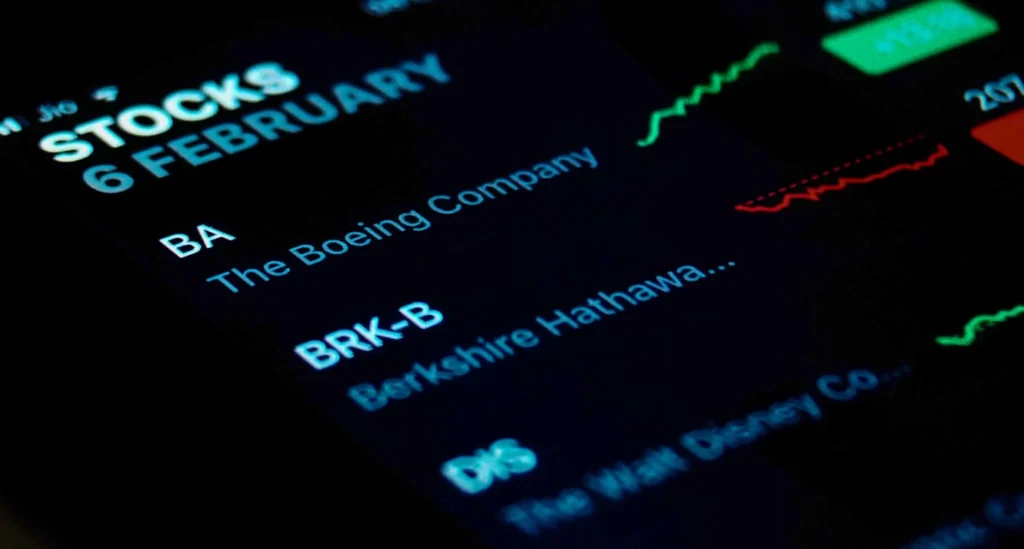
Boredom during low-volatility trading sessions triggers the same neurological urge to act as FOMO, but it’s significantly harder for traders to recognize because it arrives without the adrenaline spike that usually signals emotional interference. This makes boredom-driven trades one of the most underdiagnosed causes of account damage, since traders are trained to watch for excitement […]
Losing the Account Was Never About the Money
Losing a funded trading account triggers a psychological response closer to grief than financial disappointment, because the account typically becomes tied to a trader’s identity and sense of competence, not just their capital. When that account is lost, what actually collapses is the story a trader had built about who they were becoming, which is […]
A Single Good Trade Can Quietly Wreck Your Next Ten
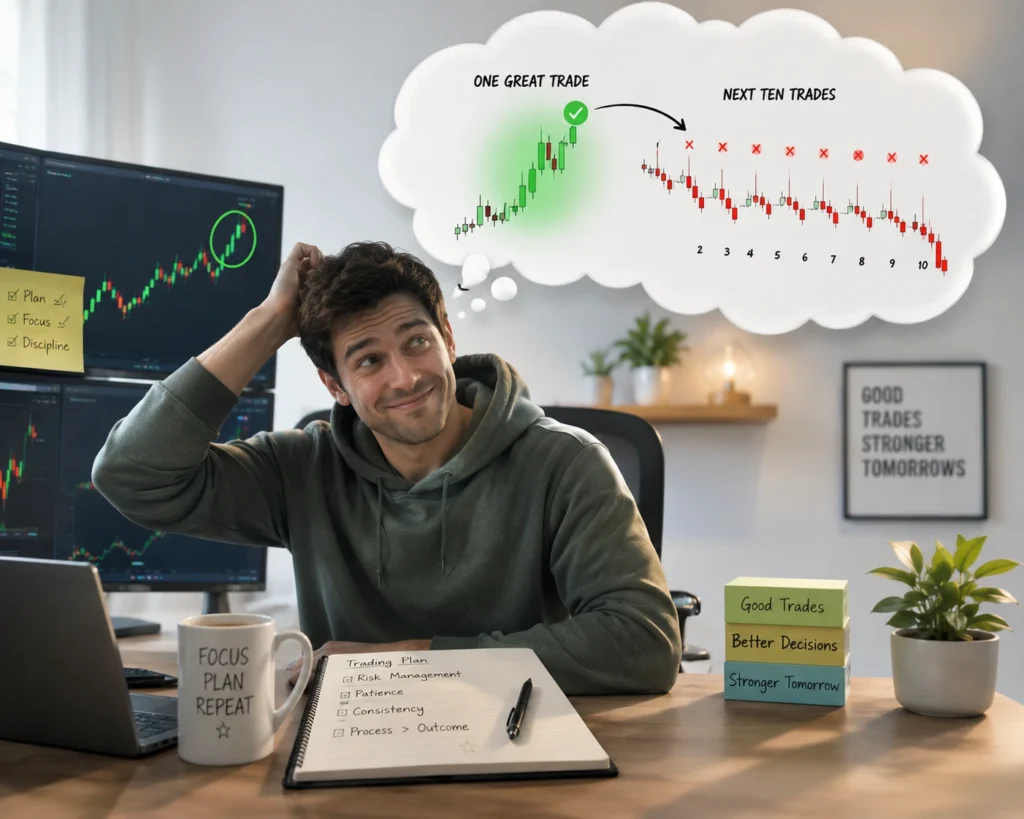
The session that should have gone perfectly is sometimes the one that starts the damage. A trade closes exactly as planned. The size was right, entry was clean, exit was clean. The account is up. Every part of your brain is telling you this was skill, this was the process working, and the next trade […]
“Control Your Emotions” Is the Worst Advice a Trading Coach Can Give You
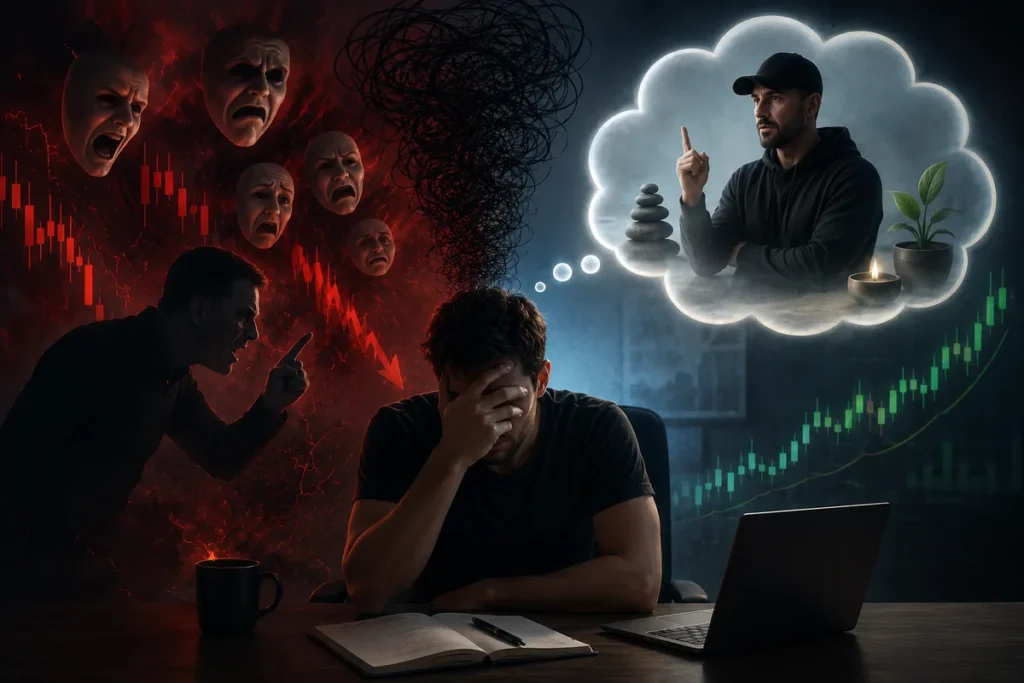
Every trading book says it. Every coach repeats it. Every forum thread returns to it eventually. Control your emotions. The advice sounds correct because it points at the right problem. Impulsive decisions cost traders money, and those decisions usually come wrapped in a feeling. The logical conclusion seems to be like, remove the feeling, remove […]
Why Do Traders Need a Mental Performance System?

Pull up your trading journal right now and look at how much detail is sitting in there. Entry price, exit price, position size, R multiple, the setup name, maybe even a screenshot of the chart at the moment you pulled the trigger. Most serious traders have years of this kind of data, broken down by […]
Emotional Regulation for Traders
Most articles on this topic give you the same five tips. Breathe deeply. Journal your trades. Meditate. Set realistic expectations. Take breaks. None of that is wrong exactly. It just treats emotional regulation like a personality upgrade instead of what it actually is, a trainable physiological skill that shows up in measurable ways on a […]